Research Articles
Comparative Sensitivity Analysis: RAA-strip vs. Real-Time PCR for African Swine Fever Virus Detection in Clinical and Field Applications
This article provides a comprehensive, research-focused comparison of Recombinase-Aided Amplification (RAA) combined with lateral flow strips (RAA-strip) and real-time quantitative PCR (qPCR) for the detection of African Swine Fever Virus...
Beyond Phenotypes: A Comprehensive Guide to HPO and GO Analysis for Rare Disease Classification and Drug Discovery
This article provides researchers, scientists, and drug development professionals with a detailed guide to leveraging the Human Phenotype Ontology (HPO) and Gene Ontology (GO) for rare disease classification.
HIF-1α vs HIF-2α: Decoding Functional Specificity, Target Genes, and Therapeutic Implications
This comprehensive review for researchers, scientists, and drug developers explores the distinct and overlapping functions of the hypoxia-inducible factor alpha subunits, HIF-1α and HIF-2α.
Uncovering Hidden Biology: A Comprehensive Guide to GiniClust for Rare Cell Type Detection in Single-Cell RNA Sequencing
This article provides a detailed exploration of GiniClust, a specialized algorithm for detecting rare cell types in single-cell RNA-seq data using the Gini index.
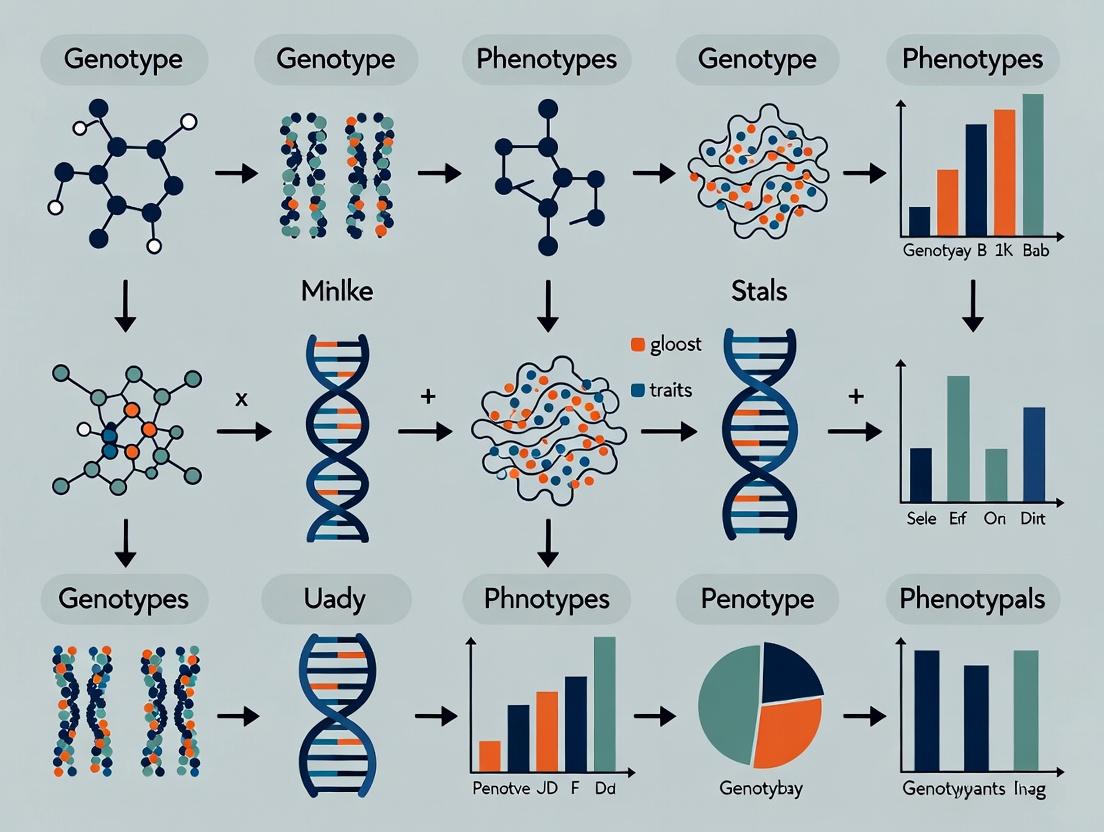
From Genotype to Phenotype: Decoding Disease Mechanisms and Clinical Variability in Mendelian Disorders
This article provides a comprehensive overview of genotype-phenotype correlations in Mendelian disorders, exploring foundational principles to advanced clinical applications.
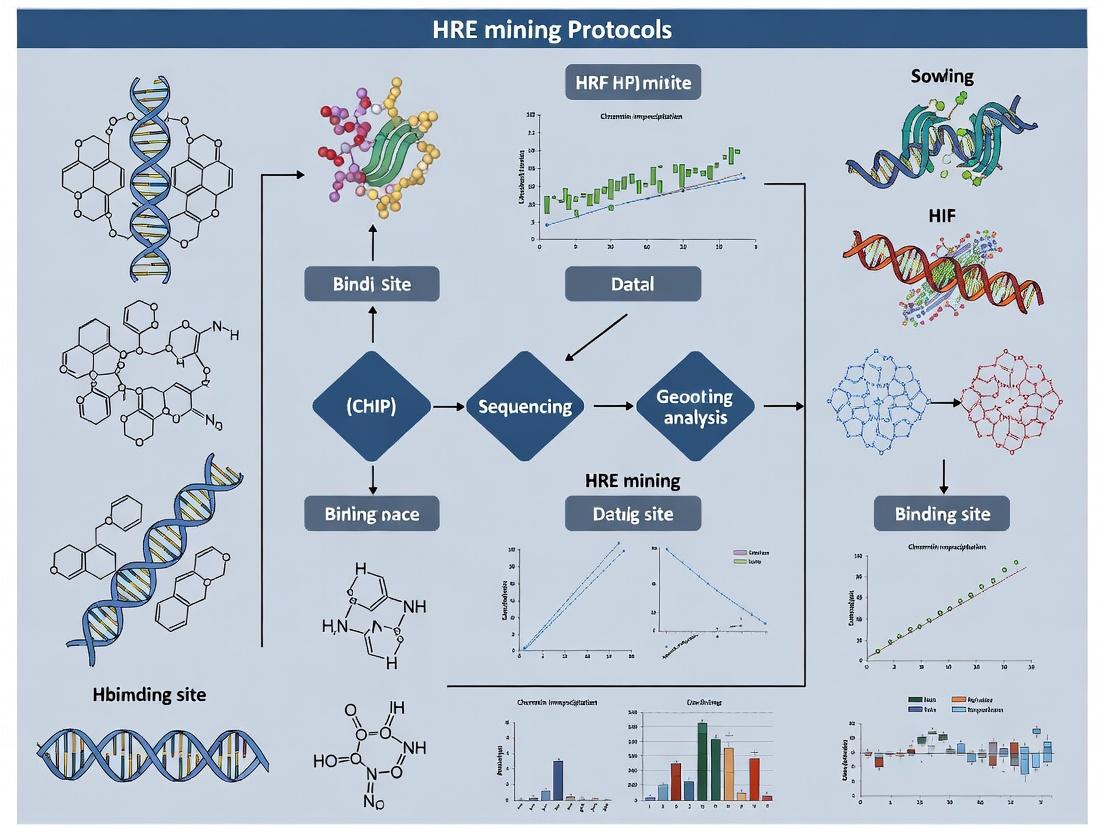
Genome-Wide HIF Binding Site Analysis: Comprehensive Guide to HRE Mining Protocols for Hypoxia Research
This article provides a comprehensive guide to genome-wide analysis of Hypoxia-Inducible Factor (HIF) binding sites and Hypoxia Response Element (HRE) mining protocols.
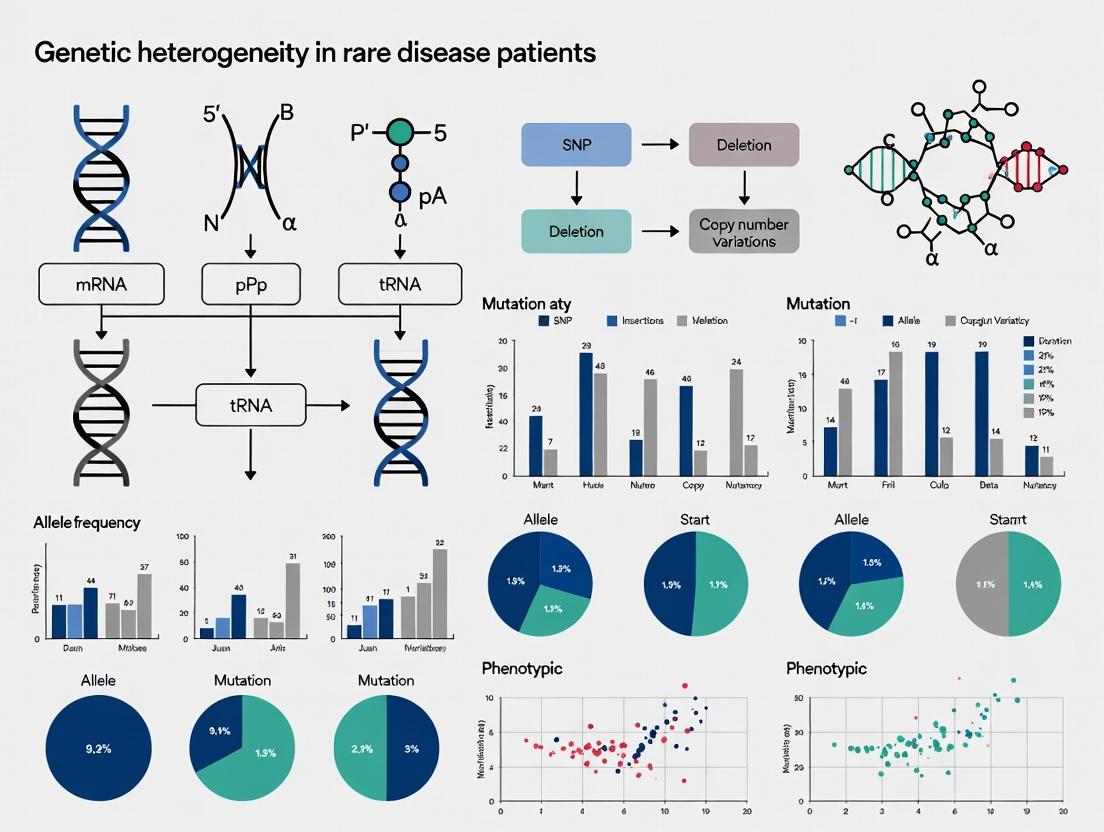
Beyond the Single Gene: Decoding Genetic Heterogeneity in Rare Disease Diagnosis and Therapy
Genetic heterogeneity—where diverse genetic causes lead to similar clinical phenotypes—is a profound challenge in rare disease research and drug development.
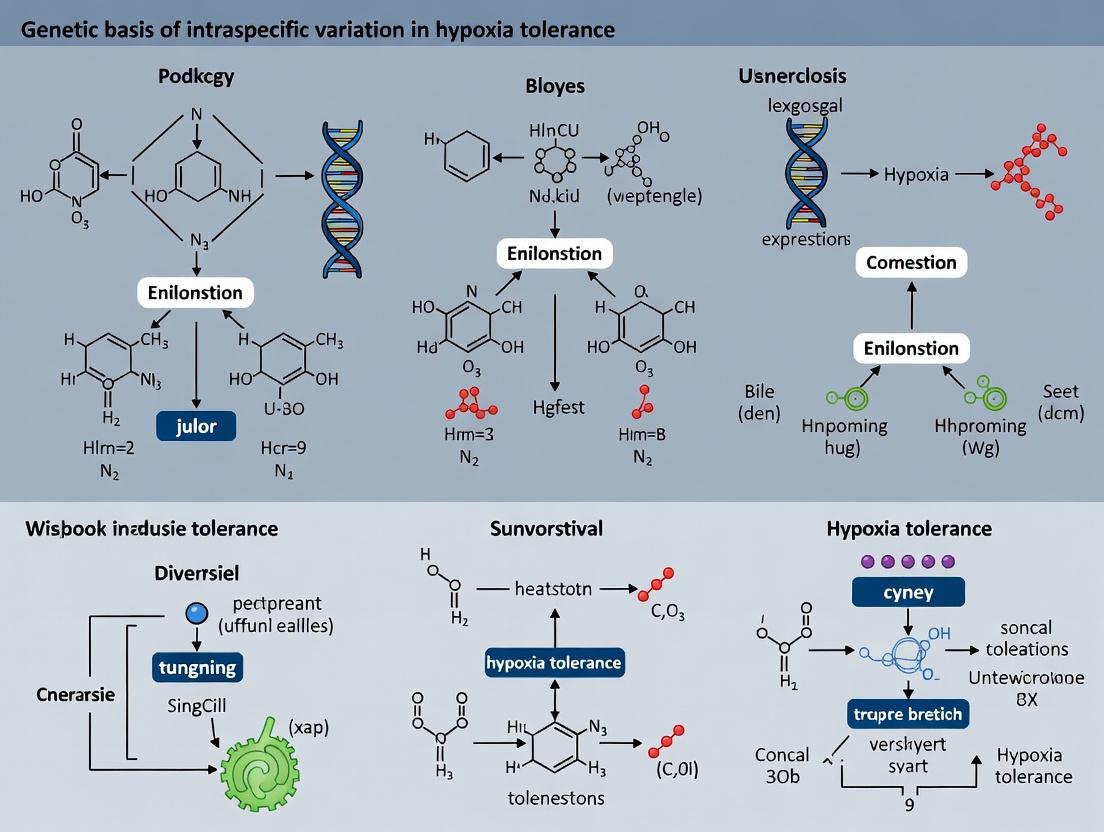
Unlocking Hypoxia Tolerance: The Genetic Blueprint Behind Individual Variation in Oxygen Deprivation Response
This article provides a comprehensive review of the genetic underpinnings of intraspecific variation in tolerance to hypoxia (low oxygen).
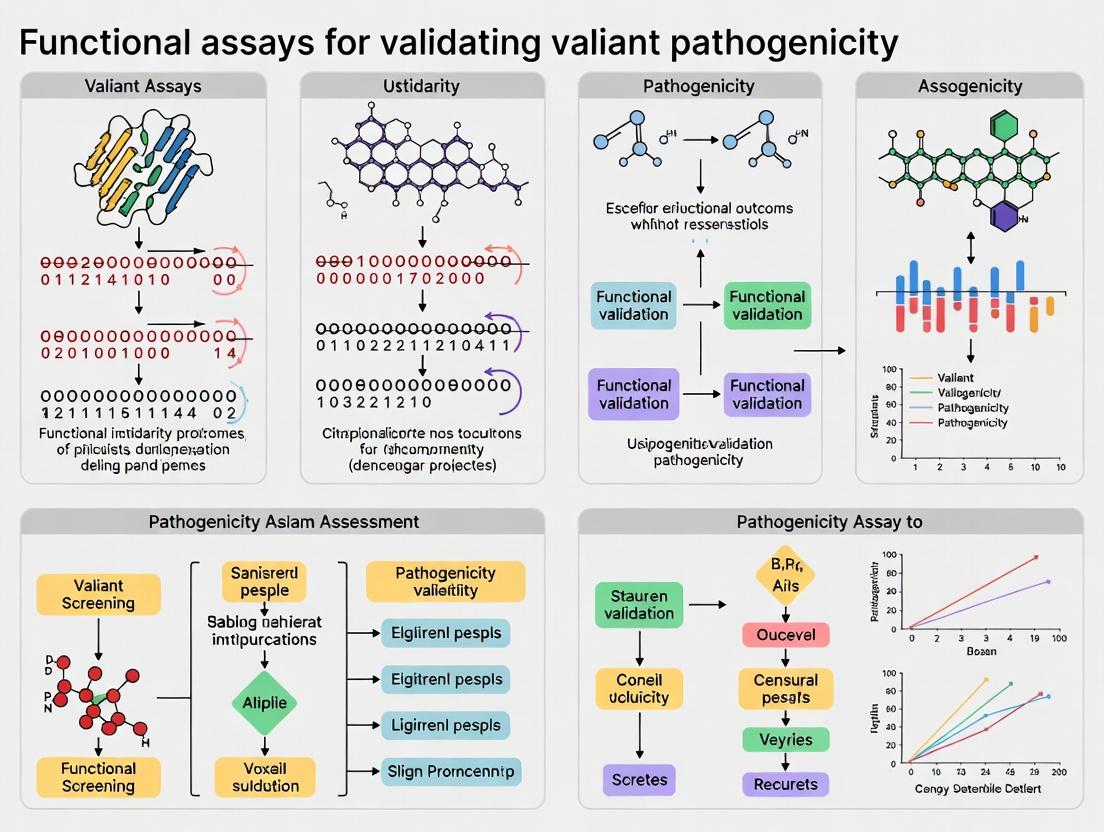
Functional Assays for Variant Pathogenicity: From Lab Bench to Clinical Validation
This comprehensive guide explores the critical role of functional assays in validating genetic variant pathogenicity, a cornerstone of modern genomic medicine.

FiRE Algorithm: A Breakthrough Sketching Technique for High-Throughput Discovery of Rare Biomedical Entities
This article provides a comprehensive guide to the FiRE (Finder of Rare Entities) sketching algorithm, an advanced computational technique for identifying rare cells or biomarkers in massive single-cell and multi-omics...